Technical Fabric Range for Industrial Applications

Abstrakte digitale Grafik mit einer Lichtströmung und einem elektronischen Schaltkreis-Muster vor blau-türkisem Hintergrund.

Our Services

  • Filter mesh on rolls
  • Custom cuts according to specifications
  • Fabricated filter mesh
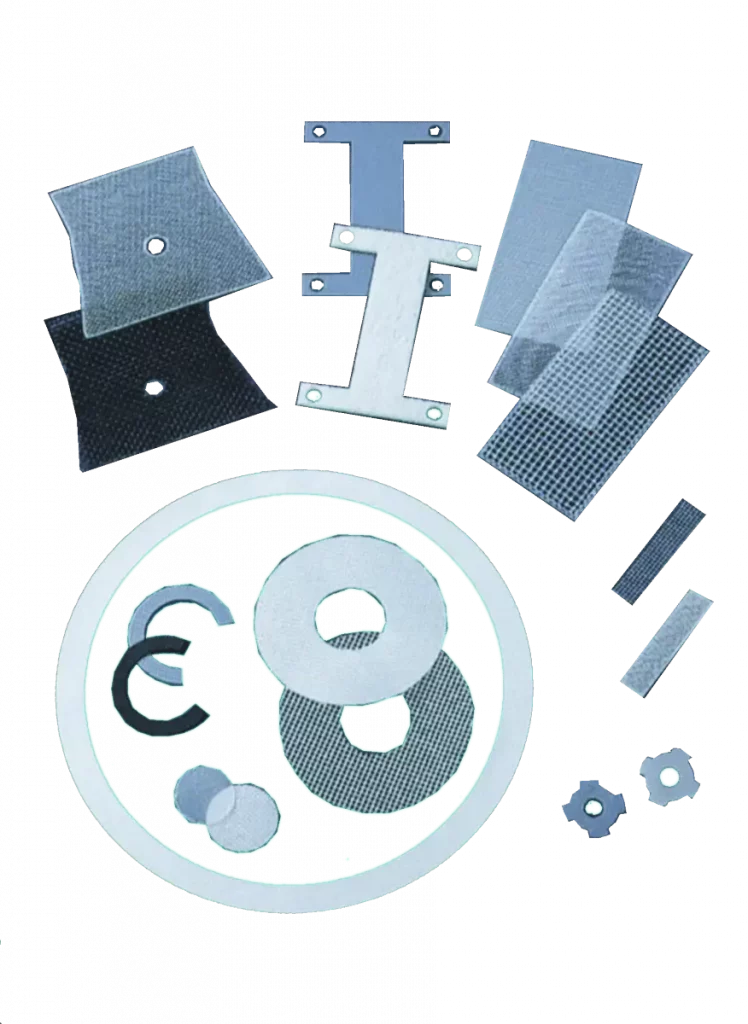
  • Die-cut filter mesh parts
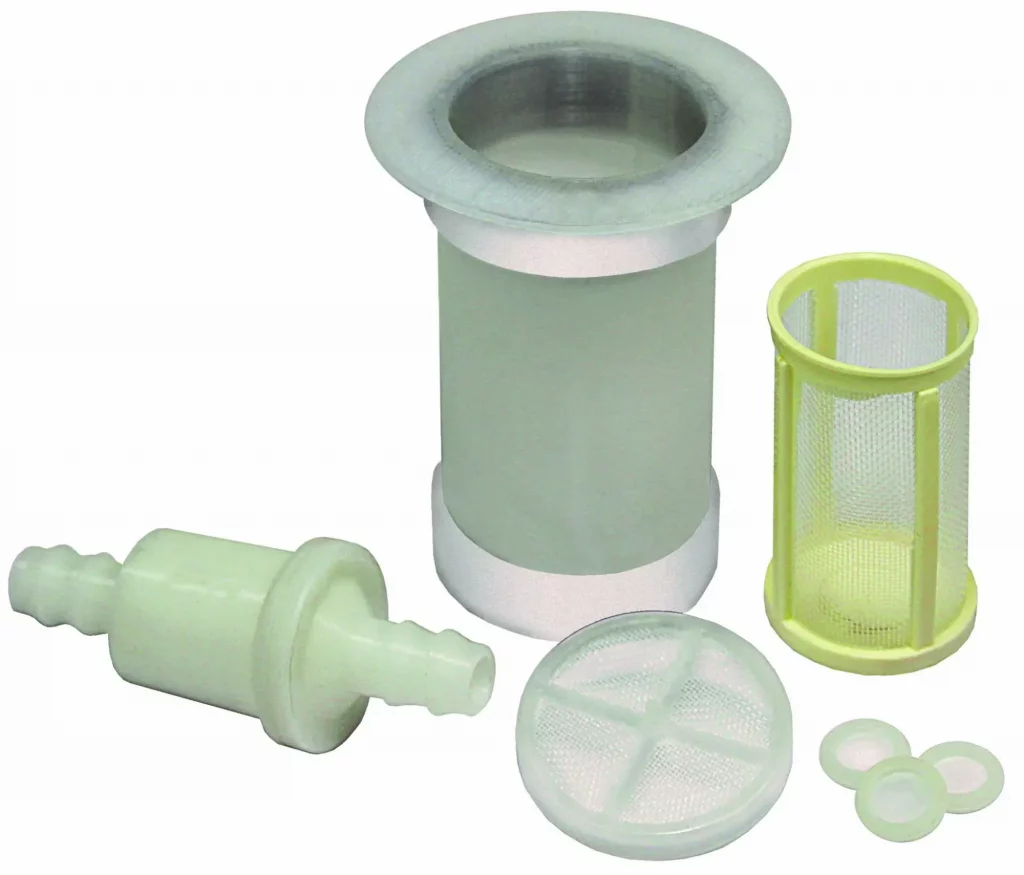
  • Injection-molded parts with mesh
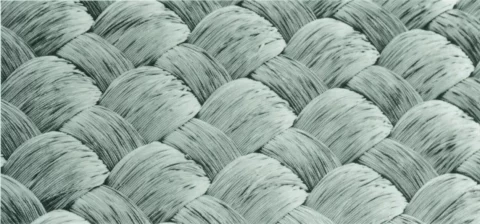
  • Synthetic screen and filter fabrics
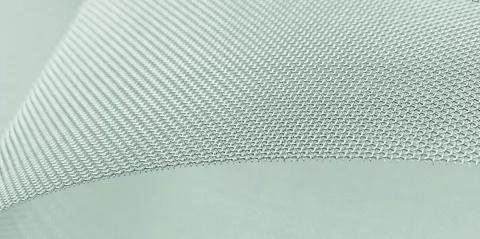
  • Wire mesh for industrial applications
  • Monofilament and multifilament fabrics
  • PET, PA, PP, PPS, PEEK, and polyarylate
  • Stainless steel, brass, and bronze
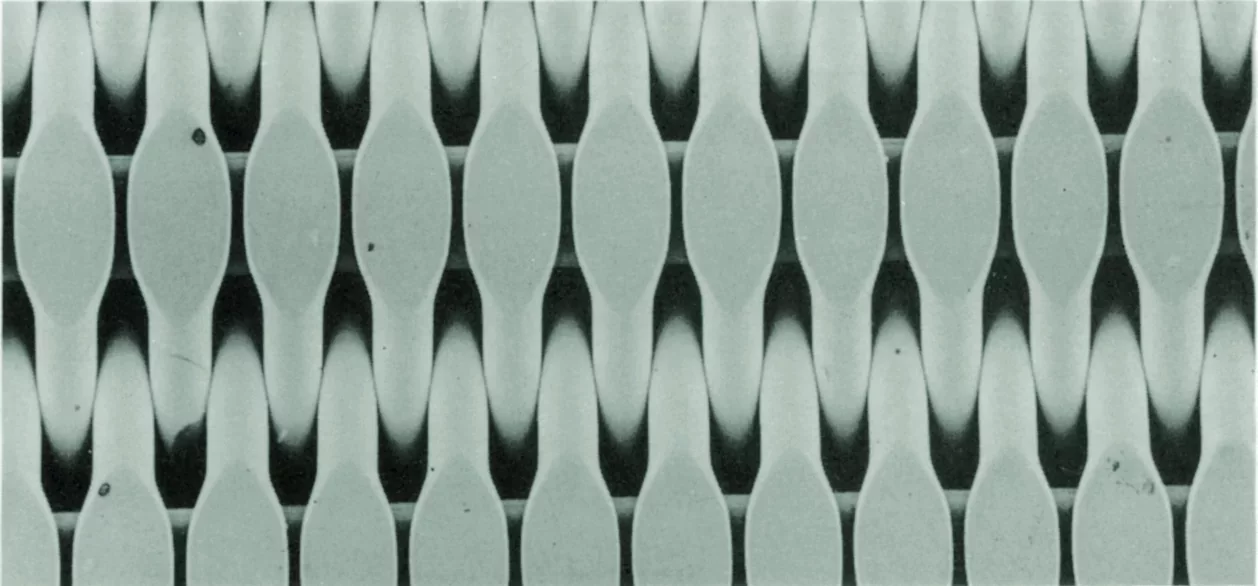
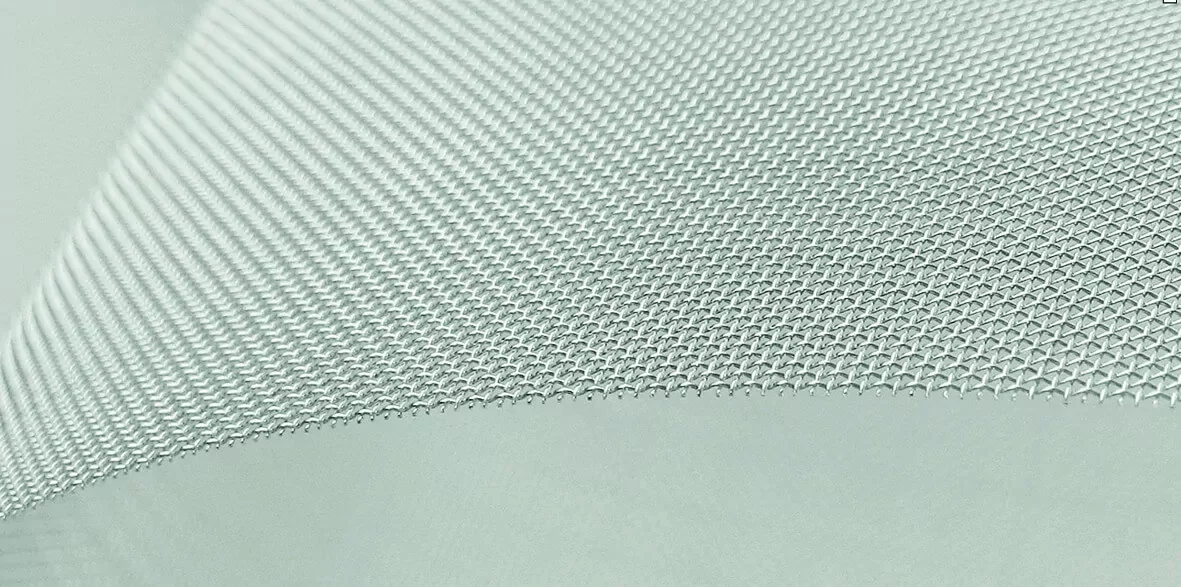
Nahaufnahme eines grauen Industriefilters aus feinem Metallgewebe mit erkennbarer Webstruktur.

Fabrication of High-Quality Precision Fabrics

Delivery Formats: Roll Goods, Cut Pieces, or Fabricated Components

Synthetic Filter Fabric

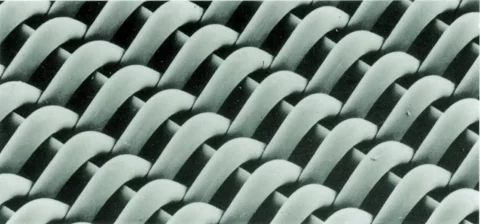
Wire Mesh

Key Material Properties and Their Significance

  • Operating temperature: The material’s temperature resistance is essential to ensure the fabric withstands operating conditions without melting or deforming.
  • Acid and alkali resistance: These properties matter whenever the filter or screen fabric comes into contact with chemically aggressive liquids or gases. A resistant material extends the fabric’s service life.
  • Moisture absorption: The ability to absorb moisture can affect the fabric’s structural integrity. A low value is advantageous in many applications.
  • Abrasion resistance: This is especially important in applications where the fabric is exposed to high mechanical loads or friction. High abrasion resistance ensures a longer service life.

Technical Fabrics in Industry

Industry uses various types of fiber fabrics that can serve as filters. Examples include cotton fabric, polyester fabric, nylon fabric, and acrylic fabric. These fabrics are used across different application areas, depending on their specific properties and purpose.

Cotton fabric, for example, is often used in air and liquid filtration, while polyester fabric is typically used for fine and coarse filtration. Nylon fabric, in turn, is frequently used in the manufacture of water filters, while acrylic fabric is commonly used in drinking water treatment.

Synthetic Fabrics in Industry

Various types of synthetic fabrics are used in industry, including polyester fabric, nylon (PA) fabric, acrylic fabric, and polypropylene fabric. Unlike natural fibers, they are made from chemically manufactured fibers and are used across different industries depending on their specific properties and intended purpose.

Polypropylene fabric, for example, is frequently used for filtration in the chemical industry, the food industry, and water treatment.

Material Properties

The fabrication of high-quality precision fabrics is an important process in industrial applications that require the precise separation of solids or liquids. Selecting the right filter or screen fabric is essential, as it significantly affects the performance and durability of the filtration system.

Depending on the process requirements, different materials and fabric types are used to ensure the desired filtration performance and durability. Equally important is choosing the correct mesh size, which depends on the particle size to be filtered out in the respective application.

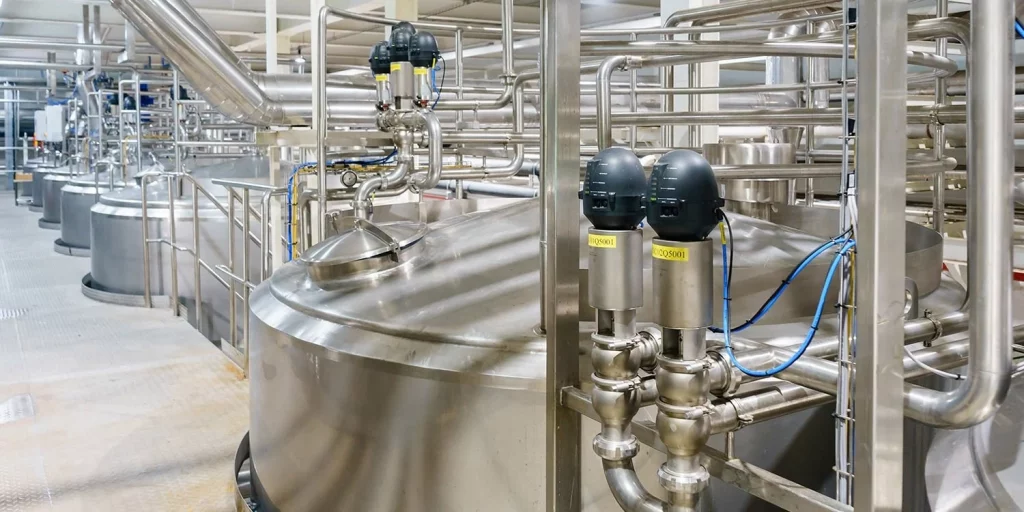
Edelstahl-Filteranlage in der Produktion der Lebensmittel- und Pharmaindustrie mit großen Kesseln und Rohrleitungen.